
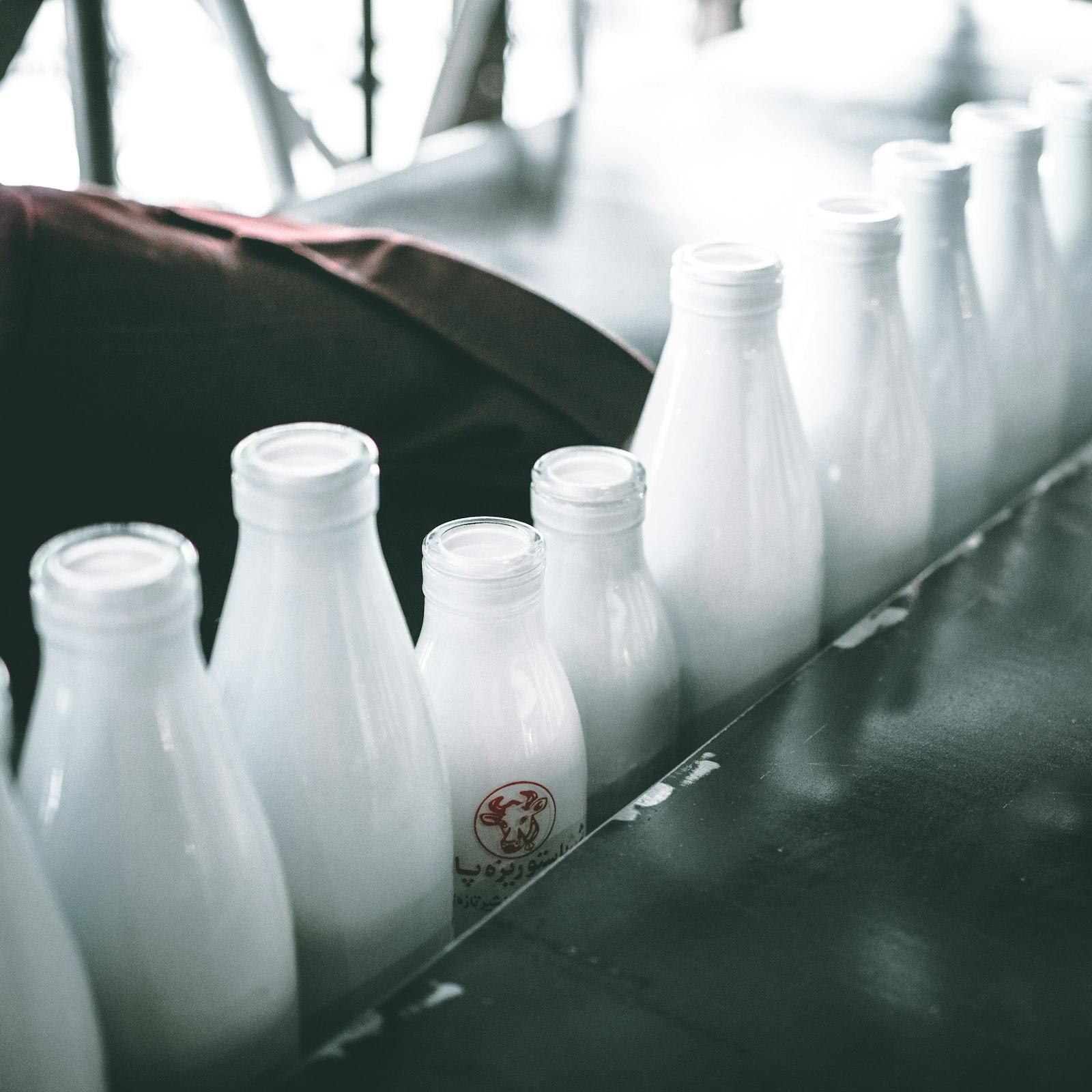
Why raw milk? An honest answer from the farmer.
Not a sales pitch and not a health claim. Just what I have learned, what I believe, and why I think the farmer matters more than the label.
What pasteurization actually does
Pasteurization heats milk to kill bacteria. It was invented for a good reason, back when a lot of dairy milk came from sick cows in filthy city barns and made people sick. Heat was the fix that let milk travel far, sit on a shelf, and stay safe when nobody could vouch for how it was produced.
Here is the honest part. That heat does not sort good from bad. It knocks back harmful bacteria, and it also changes or destroys things people value in fresh milk: certain enzymes, some of the beneficial bacteria, and the delicate structure of proteins and fats. Pasteurized milk is a safe, shelf-stable product built for a long supply chain. Fresh raw milk is a living food built for people who know where it came from. They are not the same thing, and I would rather you understand the trade than take my word for it.
Enzymes, probiotics, and the living part of milk
Fresh raw milk carries its own enzymes and a population of beneficial bacteria, the same family of microbes people pay good money for in a probiotic capsule. Many folks who reach for raw milk say it sits easier on their stomach than the milk they gave up on. I am not going to tell you that is a cure for anything, because I am a farmer, not a doctor, and I am not making a medical claim.
What I will tell you is what I see. Families who could not drink store milk without trouble come to us, try real raw milk from healthy grass-fed cows, and stick around for years. Our own girls drink it every day. Whatever the science ends up saying in full, a living food from a healthy animal is a reasonable thing to want, and it is worth looking into for yourself.
A2 versus A1: why our cows matter
Most modern dairy cows produce a protein called A1 beta-casein. When we digest it, our bodies can release a fragment that a lot of people seem to react to, with the bloating and discomfort they blame on milk in general. A good number of them are not actually reacting to lactose at all.
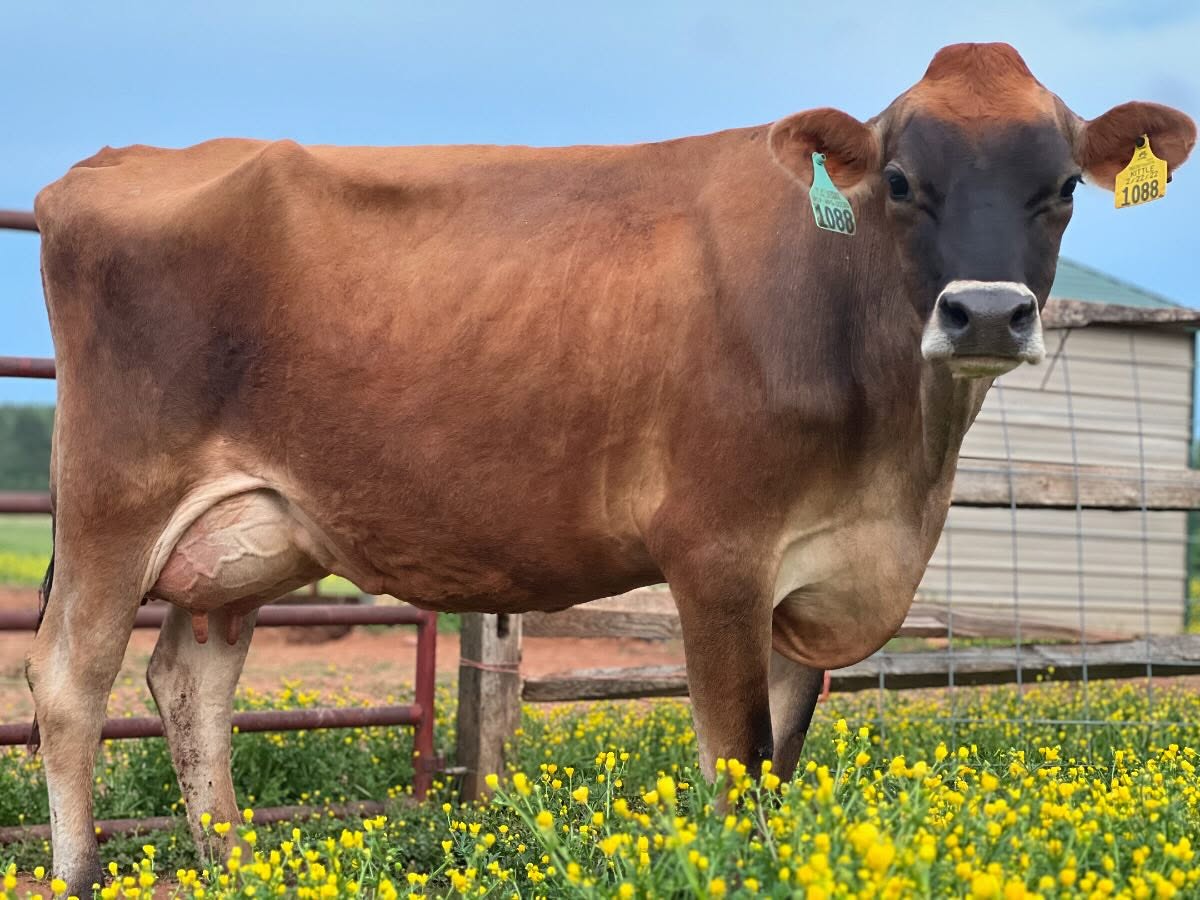
Older and heritage genetics produce A2 beta-casein instead, which does not break down that same way. Our whole dairy herd is tested and confirmed A2/A2, meaning both parents pass on the A2 gene, so every drop is A2. For a lot of people who thought they were done with milk, A2 milk from a clean, grass-fed source is the thing that finally works. That is not marketing to me. That is the reason I chose these cows.
The thing that matters most: know your farmer
Here is what I most want you to hear. The old fear of raw milk was really a fear of unknown, careless dairies. Raw milk is only as good as the cow it came from and the hands that handled it. That is the whole ballgame.
That is why I would never buy raw milk from someone I could not question and could not visit. And it is exactly why we run a herd share instead of hiding behind a label. You can drive out, walk the pasture, watch a milking, and see the fridge your milk is chilled in. We keep our equipment sanitized, our cows healthy, our milk filtered and chilled fast, and we test it regularly. Do not take raw milk from just anyone. Take it from a farmer you can look in the eye. Read exactly how we handle the milk, then come see for yourself.
Honest questions about raw milk
Is raw milk safe?
Safety comes down to the cow and the handling, not the word raw. Milk from healthy, grass-fed cows, drawn with sanitized equipment, filtered, and chilled fast, is a very different thing from careless dairy. That said, no fresh food is risk-free, and pregnant women, infants, the elderly, and anyone with a weakened immune system should talk to their doctor first. We tell you the honest trade-offs and we show you our process on the milk handling page.
Will raw milk help with my lactose or dairy trouble?
Many people tell us it sits easier for them, and A2 milk in particular seems to help folks who react to ordinary A1 milk. We cannot promise you a result and we make no medical claims. The honest answer is to try a little and see how your own body responds.
What is the difference between A1 and A2 milk?
They are two forms of the beta-casein protein. Most modern cows make A1; heritage genetics make A2. Some people digest A2 more comfortably. Our entire herd is tested A2/A2, so all of our milk is A2.
Does raw milk taste different?
Yes. It is fuller, sweeter, and it has a real layer of cream on top because it is not homogenized. The flavor also shifts a little with the season as the grass changes, which is part of the charm of a living food.
How is raw milk different from the organic milk at the store?
Even organic store milk is pasteurized, usually homogenized, and often ultra-heated so it can sit for weeks. It is a safe, shelf-stable product built for a long supply chain. Ours is a fresh food you pick up days after it left the cow.
Where can I read more and make up my own mind?
Please do your own research; I would rather you decide than trust a sales page. Read widely, talk to your doctor if you have any health concerns, and come out to the farm and ask me anything. When you are ready, join the herd share.
Decide for yourself, then join us
$80 share purchase, $60 a month, one gallon a week of A2/A2 raw milk from cows you can visit. Get on the waitlist.