
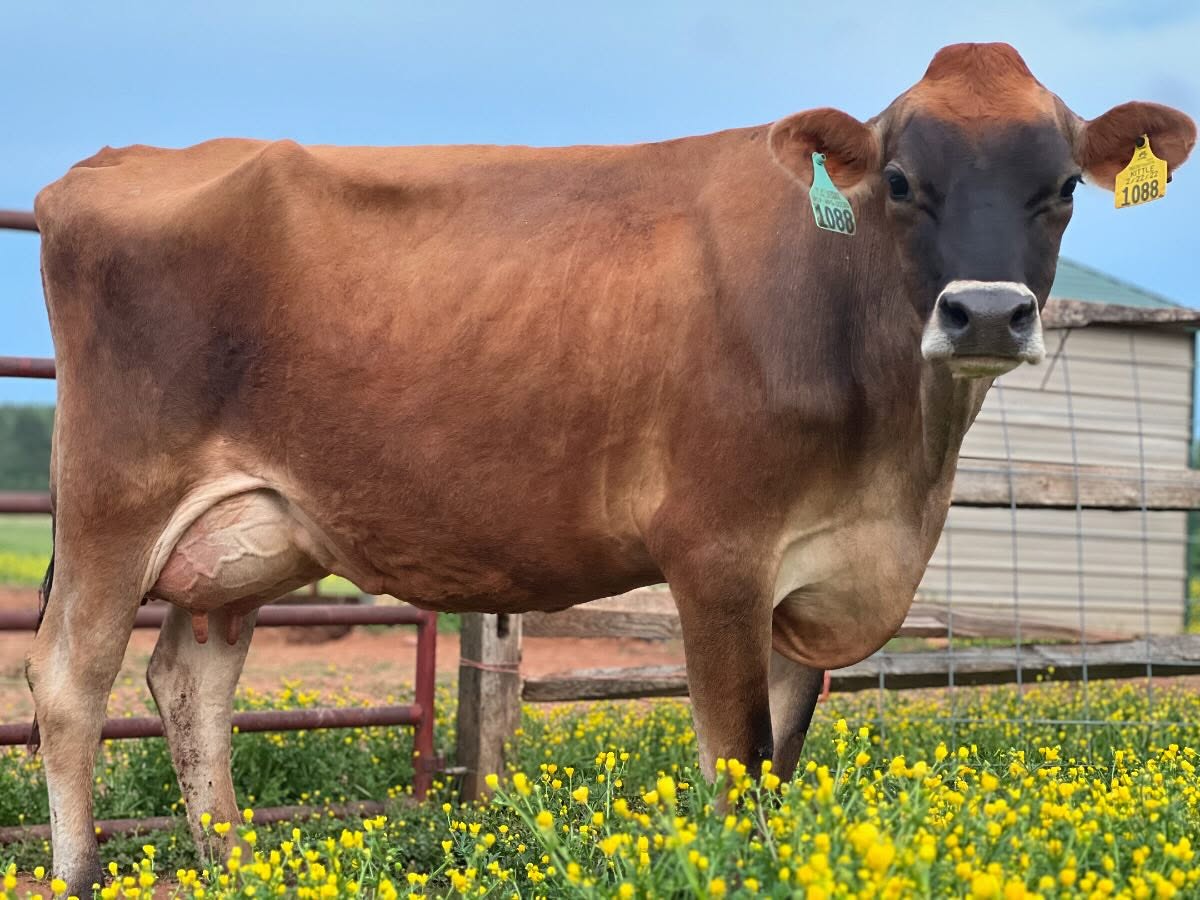
Clean milk is made, not hoped for.
Exactly how we clean, filter, and chill the milk from your herd share, step by step.
Why handling is everything with raw milk
Raw milk skips pasteurization, so cleanliness at every step is not optional. There is no heat step later to cover a mistake. That means the whole game is keeping the milk clean from the cow to the jar, and getting it cold fast. We take that seriously, and we would rather over-explain it than have you wonder.
Before we ever touch a cow
Every piece of equipment that will touch milk gets sanitized before each and every milking, not just once a day. Our pails, filters, funnels, and jars are food-grade stainless steel and glass, which scrub clean and do not hold onto bacteria the way scratched plastic can.
We wash everything, then sanitize it, and let it drip dry on a clean rack. The milking parlor gets swept and hosed down. Hands are scrubbed. Nobody milks in the clothes they mucked stalls in.
Prepping the cow
A clean cow is the first line of defense. Before milking we clean each teat, then dip or wipe with a sanitizing prep and dry with a single-use towel, one towel per cow so nothing travels between animals.
We strip the first few squirts from each teat into a separate cup, never into the milk. That first milk clears the teat canal and lets us look closely for any change that might signal a cow is off. A healthy udder and a clean teat mean the milk starts clean.
Filter, then chill fast
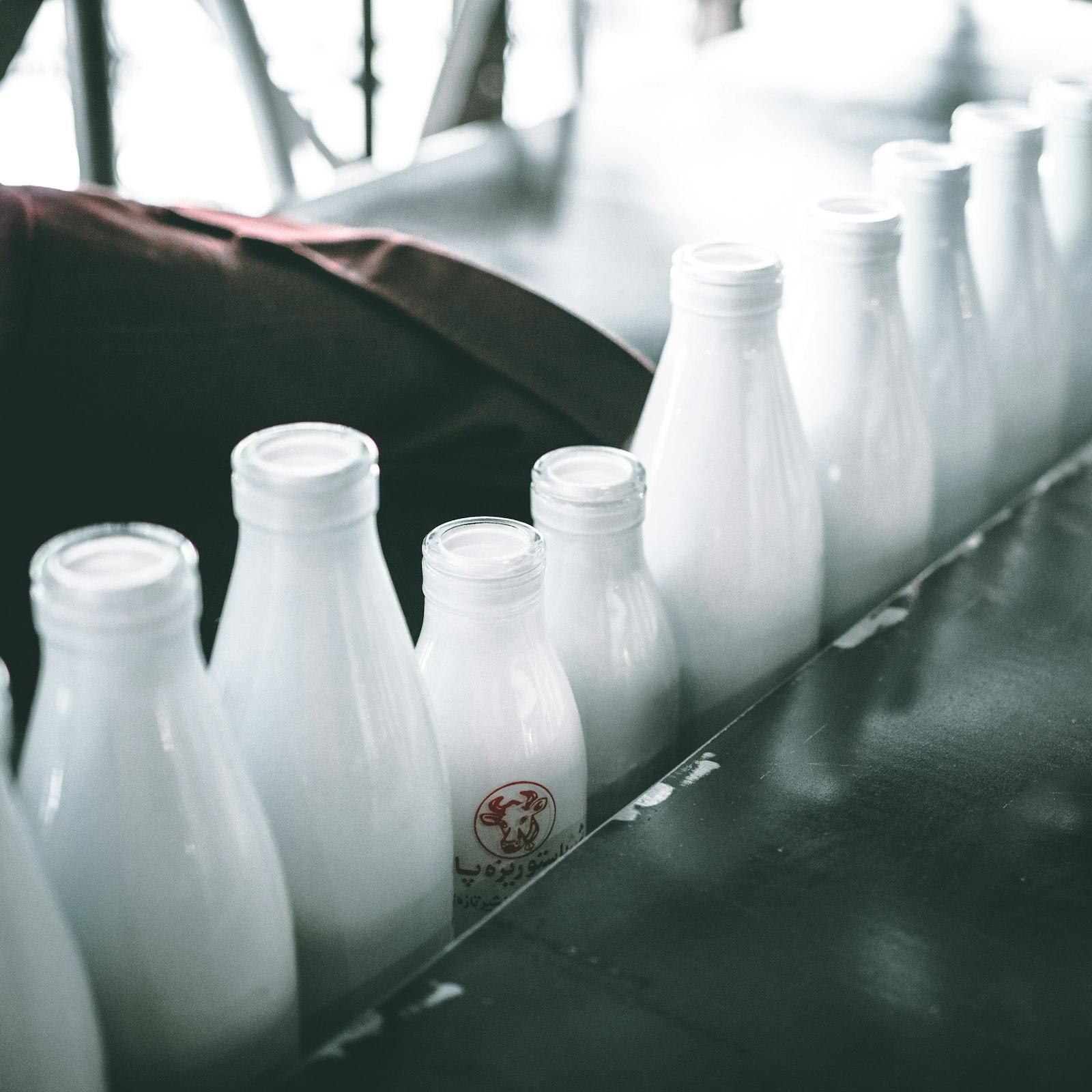
The moment milking is done, the milk goes through a fine single-use filter to catch anything that does not belong, and straight into chilling. Speed matters here. Warm milk is where bacteria multiply, so we get it from body temperature down below 40 degrees as fast as we can, often within minutes, using an ice bath and a dedicated milk fridge that holds a steady cold.
That fridge is for milk and nothing else. It is not the same one holding leftovers and eggs. It stays cold and it stays clean.
Glass jars, and regular testing
We jar in glass because it is easy to sanitize and it does not pick up flavors or scratches. Your jars come back to us each week, get washed and sanitized like everything else, and go back into rotation.
We also test. On a regular schedule we send samples for standard quality checks so we are watching the numbers, not guessing. If anything ever looked off, that milk would not leave the farm. Our own family drinks this milk every day, and our girls pour it. That is the standard we hold it to.
Questions about the milk?
Come watch a milking on a farm tour, or get your name on the herd share waitlist.