
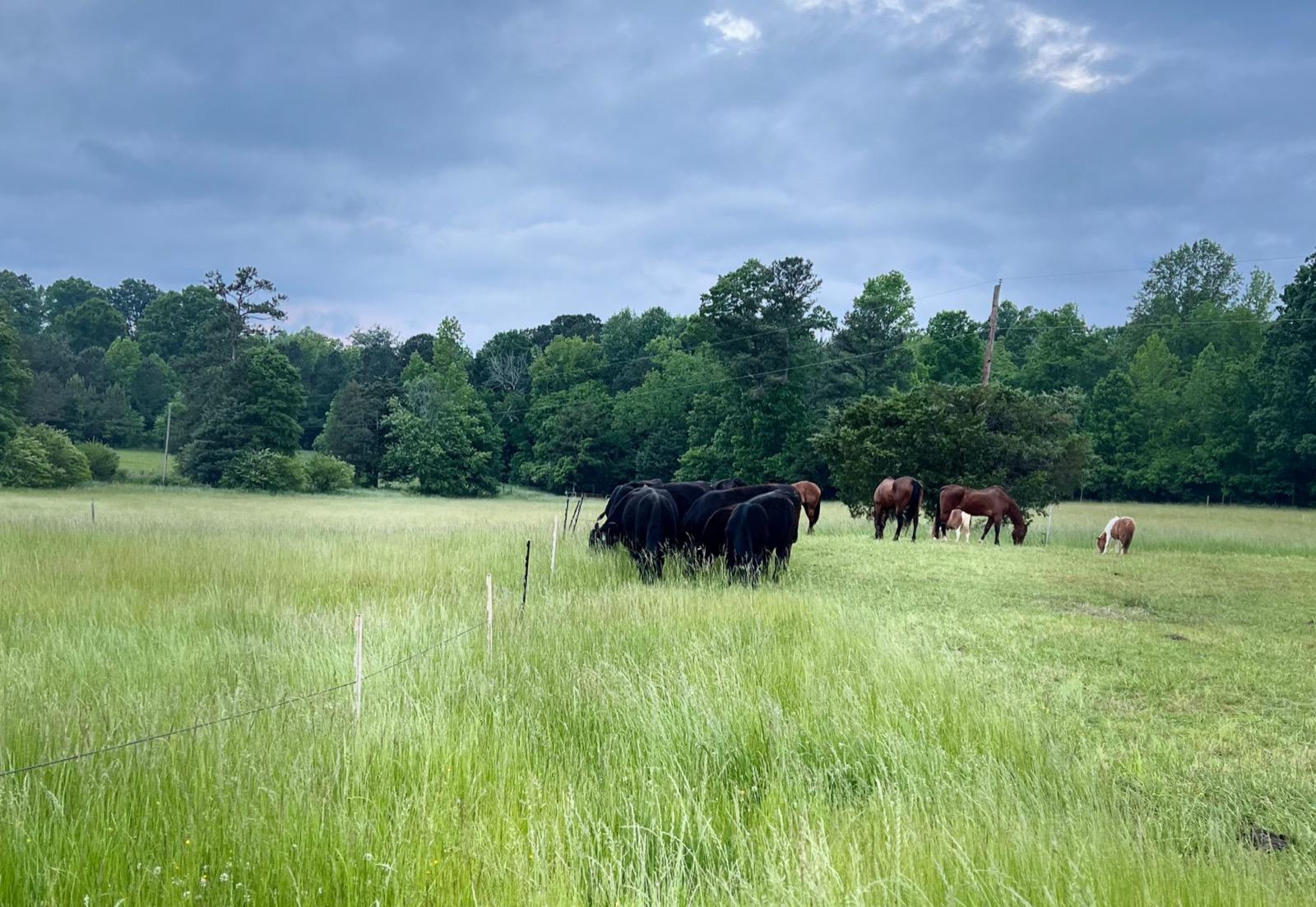
The whole farm is one machine, and grass is the engine.
Cattle, hens, broilers, and pigs each do a job, in order, so the land gets richer every season. Here is how it fits together.
Nothing here works alone
People ask what we grow, and the honest answer is grass. Everything else, the milk, the beef, the eggs, the pork, is what happens when you let animals harvest that grass in the right order and then get out of the way.
We learned the shape of this from Polyface Farm, and we have spent years adapting it to our own ground in Franklin County. It is a choreography. Each animal moves through a paddock doing one job, then hands off to the next. Done right, the land does not just survive our farming. It gets deeper, softer, and more alive every year. Walk it with me.
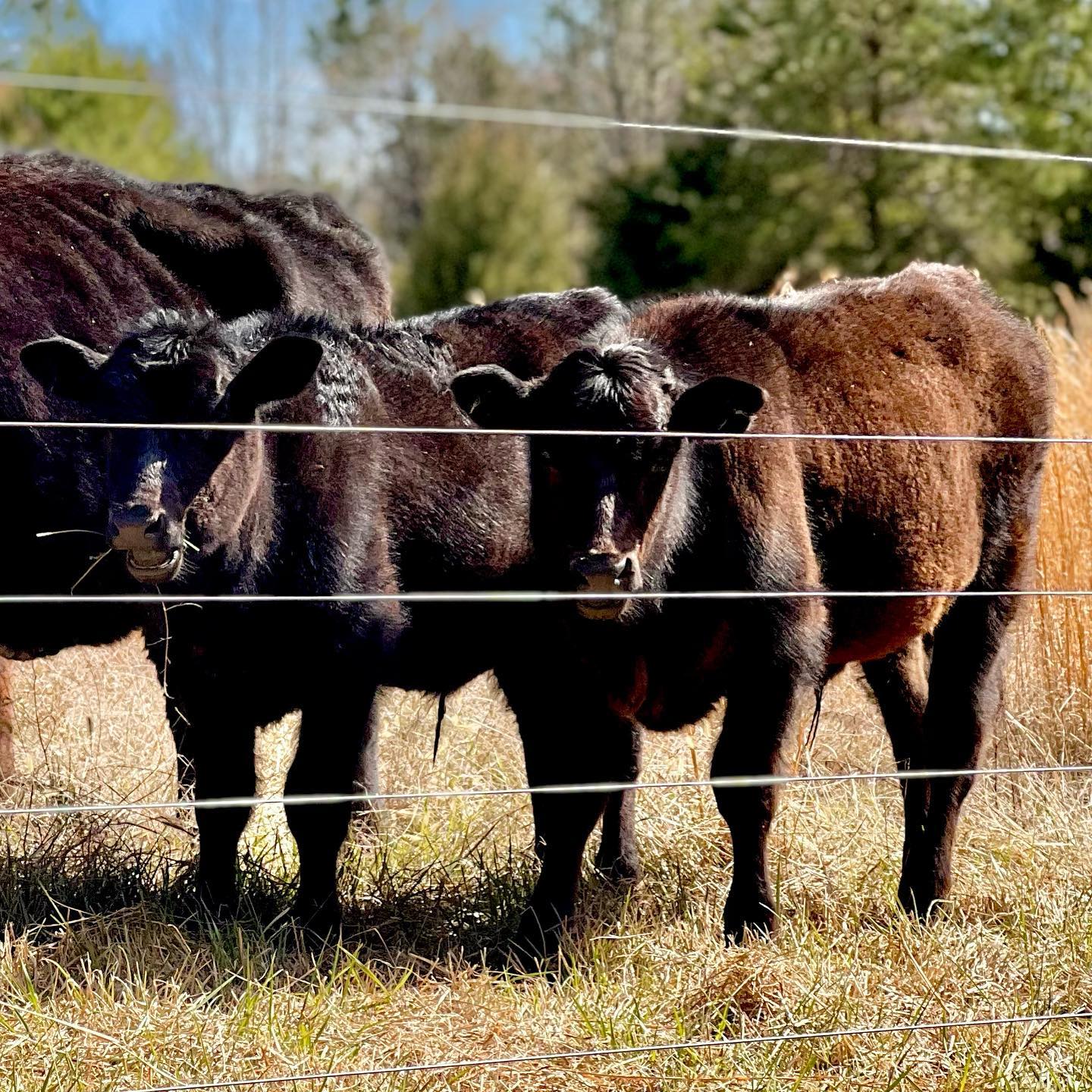
First the cattle: mob grazing, moved every day
Wild herds bunched up tight for safety, grazed a patch hard, fouled it, and moved on, and they did not come back until it had fully regrown. We copy that on purpose with what is called mob grazing.
We split the pasture into small paddocks with portable fence and keep the cattle bunched. They get a fresh strip of grass every single day, sometimes twice a day in the fast growth of spring. They eat the top, and they trample the rest into a carpet of mulch that shades the soil and feeds it. Their manure and urine hit the ground evenly instead of piling in one corner. Then we shut the gate, and that paddock does not see another animal for weeks.
That rest is the whole trick. A grass plant grazed once and then left alone pushes its roots deeper reaching for water, stores energy, and comes back thicker than before. Graze it again too soon and you kill it. So we watch the calendar and the recovery, not the fence line.
Then the hens, three days behind, in the eggmobile
Three days after the cattle leave a paddock, the laying hens arrive. We move them in behind the herd in a mobile coop, an eggmobile, and turn them loose on the ground the cows just left.
Those three days matter. That is about how long it takes fly larvae in the cow pats to fatten up, and a chicken thinks a maggot is candy. The hens scratch every pat apart looking for them, which does three things at once: it breaks the fly and parasite cycle without a drop of chemical, it spreads that concentrated manure evenly across the field as fertilizer, and it turns bugs the cattle could not use into eggs. The nitrogen they add on top is real fertilizer we never had to buy.
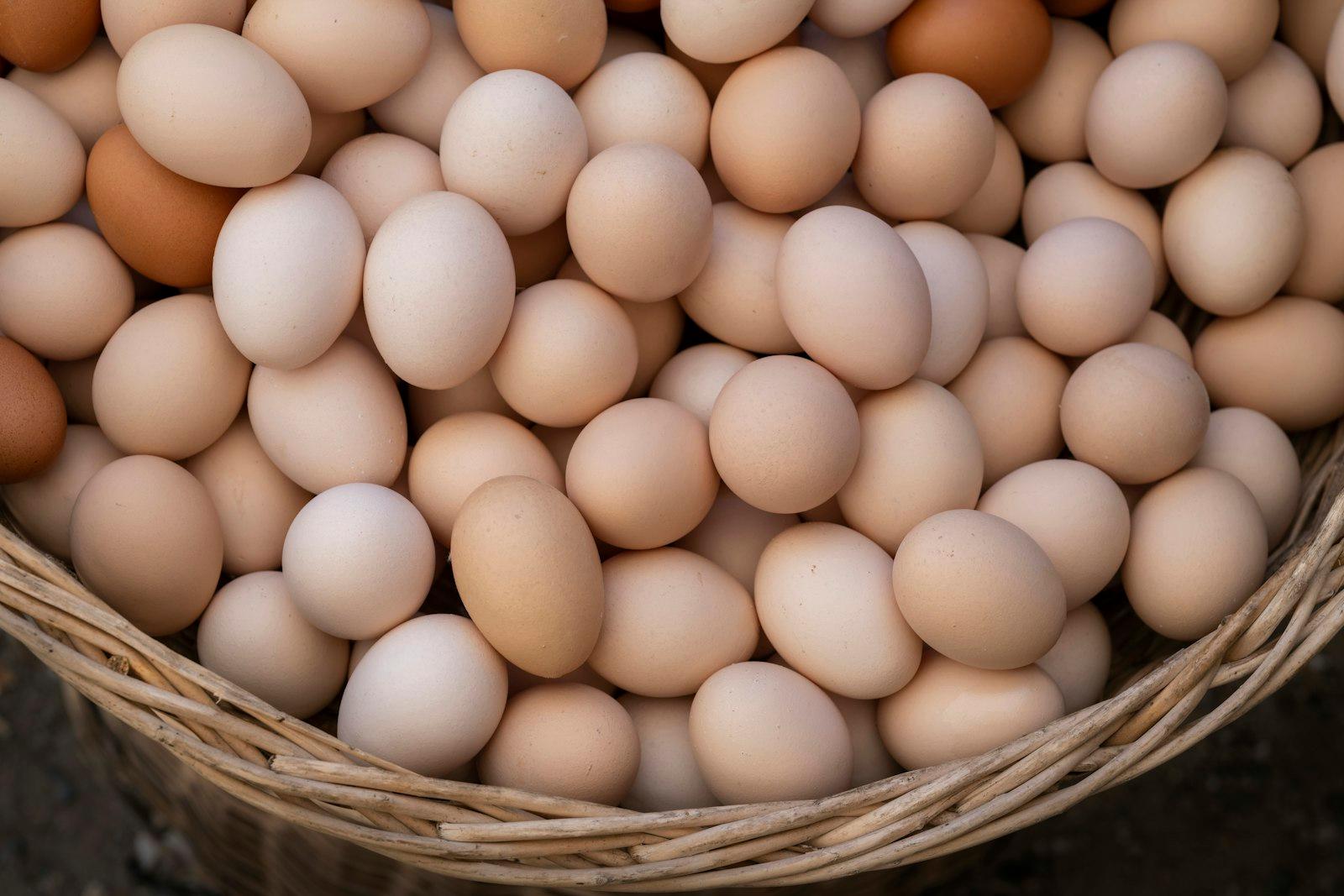
That is why our yolks stand up orange and tall. It is not a supplement. It is a hen doing exactly the job a bird was made to do, in exactly the right spot. We sell those eggs at $6 a dozen when we have them.
Broilers on grass, pigs in the woods
Our meat chickens live in floorless pens out on the open pasture, and every morning we slide each pen forward onto clean grass. Fresh forage, bugs, sunshine, and a clean bed every day, with their fertilizer left behind on a strip that will be greener for it next month.
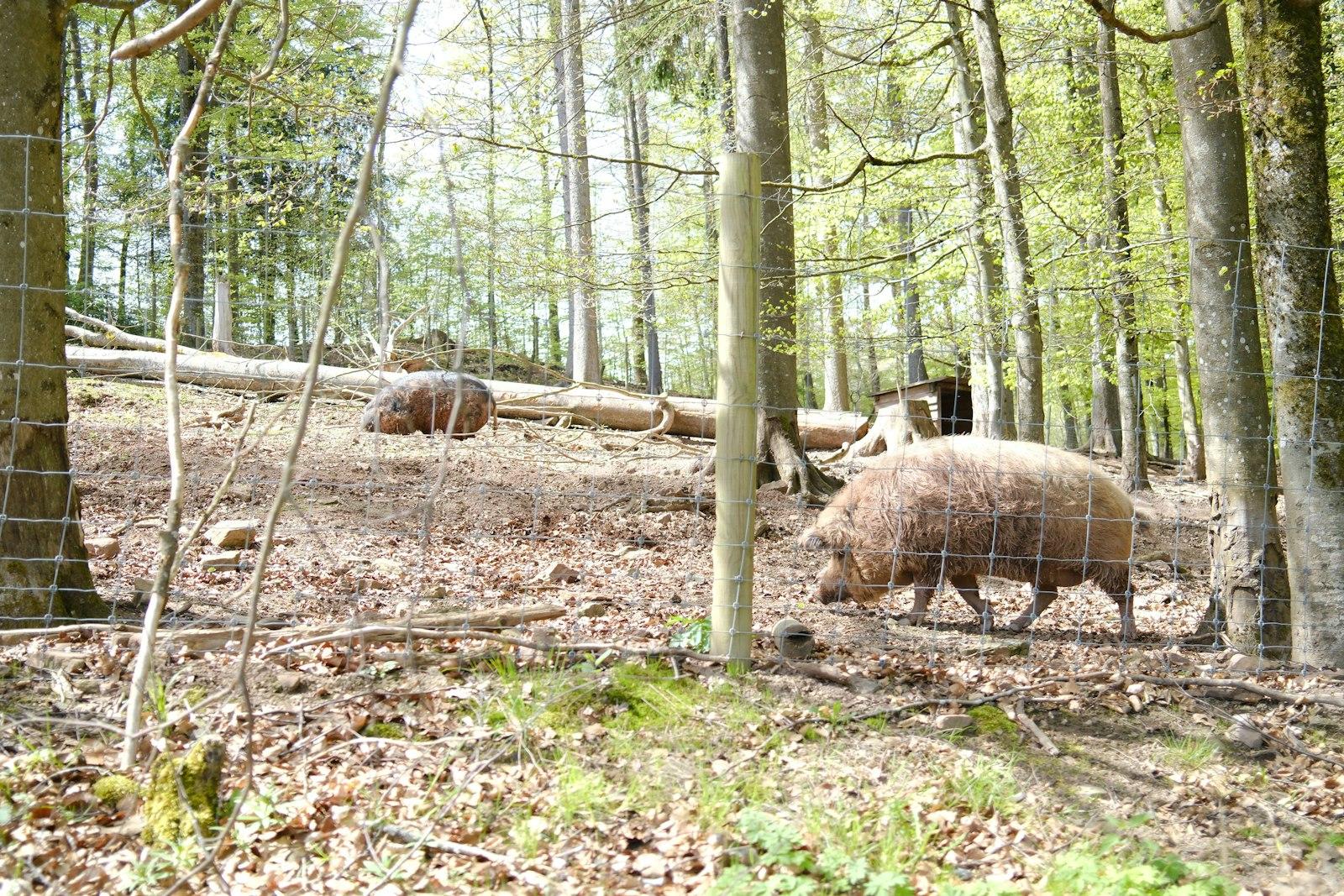
The pigs work a different part of the farm entirely. We put them in the woodlots and let them do what a pig was built to do: root. They turn over brush and briars, eat acorns and roots, till the ground, and clear tangled edges we would otherwise fight with a machine. They turn a job into bacon. We do not run a pork store, but the pigs are a working part of how this land gets managed, and they eat what would otherwise go to waste.
What all of this does underground
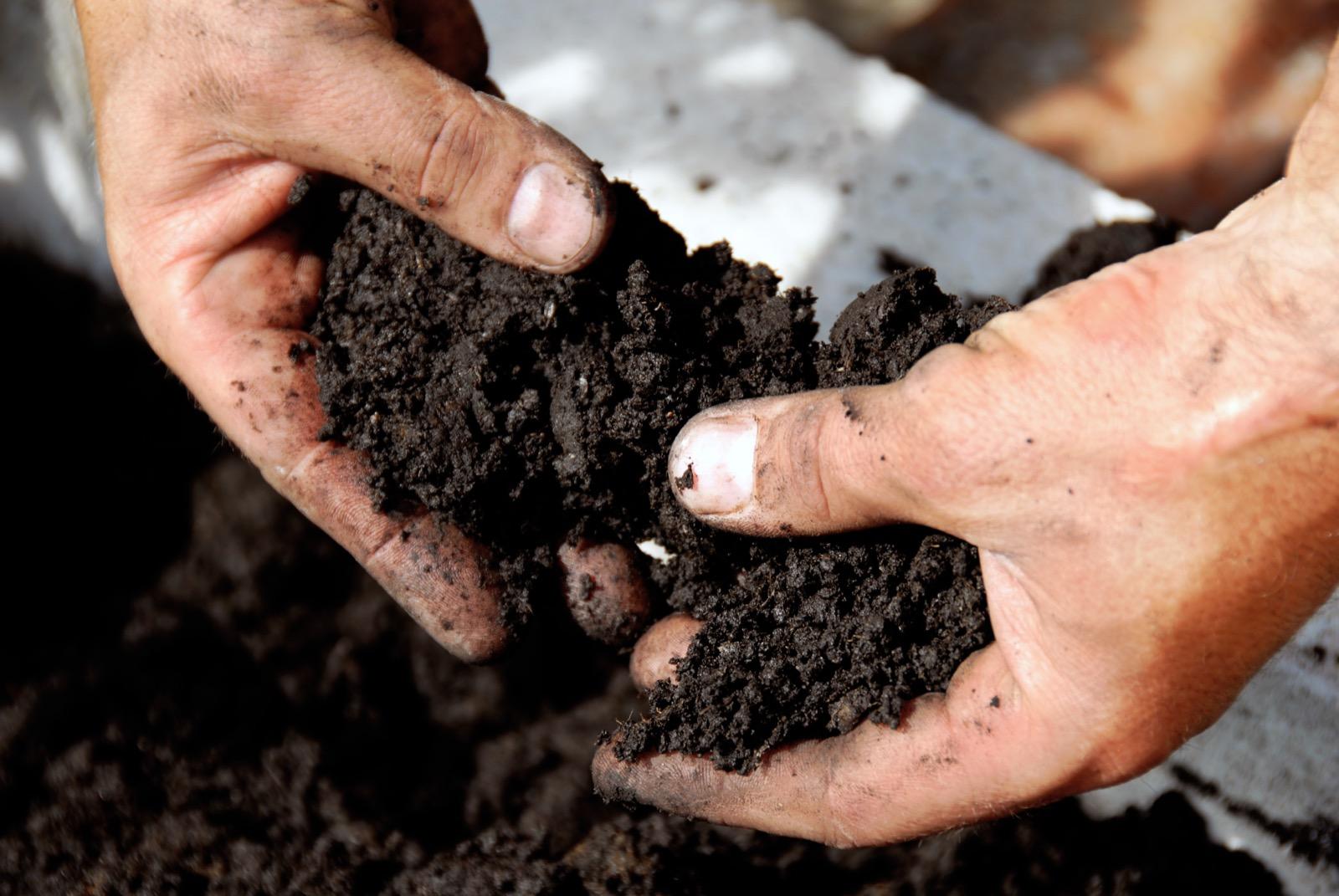
Stand in a paddock we grazed and rested a few times and dig a hole. The difference is not subtle.
The soil is darker and it smells alive, because it is. Trampled grass and manure feed billions of microbes and fungi. Dung beetles roll that manure down into the ground and their tunnels, along with the deep grass roots, open the soil so rain soaks in instead of running off. Ground that used to shed a hard Carolina downpour now drinks it and holds it through a dry spell. Every one of those deep roots is also carbon pulled out of the air and parked in the dirt, which is the quiet, real version of what people mean when they say a farm can heal the climate.
On our open ground we keep a living root growing as much of the year as we can, planting cover crop mixes like clover, vetch, rye, and radishes between grazings. We do not use synthetic fertilizer, herbicide, pesticide, or routine antibiotics. We do not need them, because the system does that work for us. That is the honest cost and the honest payoff of farming this way.
The day Joel Salatin walked our pastures
If you have read anything about regenerative farming, you know the name Joel Salatin. His farm, Polyface, in the Shenandoah Valley, is where a lot of us learned this, us included.
We never expected him to see our little operation. But he came out, walked our paddocks, put his hands in our soil, and spent a day telling us the truth about what we were doing well and what we were doing wrong. He pushed us to tighten our grazing moves, to give certain paddocks longer rest, and to trust the grass more than the feed bag. He looked at how we ran the hens behind the cattle and told us to keep going, then showed us how to time it better.
Having someone who has done this for decades stand in your field and say you are on the right track, and then hand you a list of ways to get better, is worth more than any certificate on a wall. We are still working through that list.
The best fertilizer is the farmer's footprints. Show up every day and the land will tell you what it needs.
A lesson from Joel Salatin's visit
See the whole system with your own eyes
We will show you the paddocks, the eggmobile, the pens, and the soil. Book a tour and we will walk you through the choreography.